Source LED Prism Projector Headlamp for Cars, Trucks, and SUVs
Compare 30 LED prism projector headlamp options from verified suppliers. Review specifications like wattage, lumens, and fitment for Volkswagen, BMW, and other brands to find the right retrofit upgrade.
Key considerations
Products List


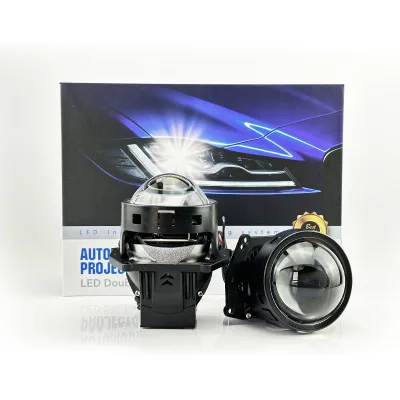
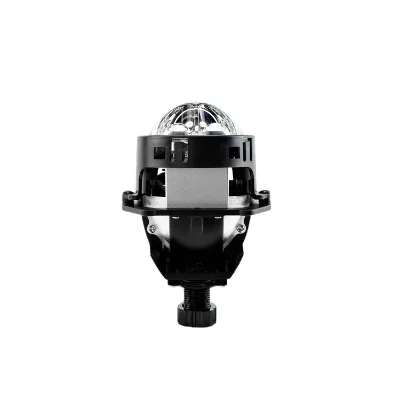
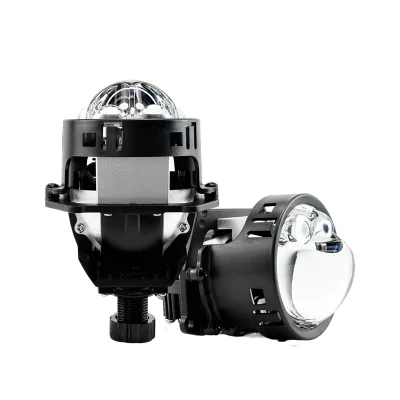
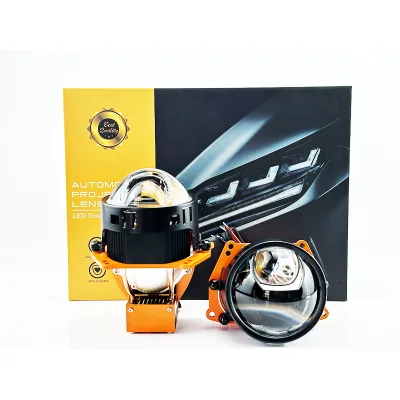
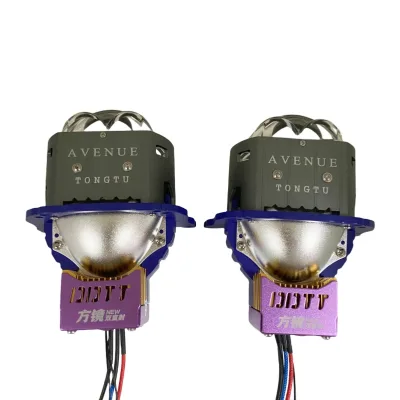
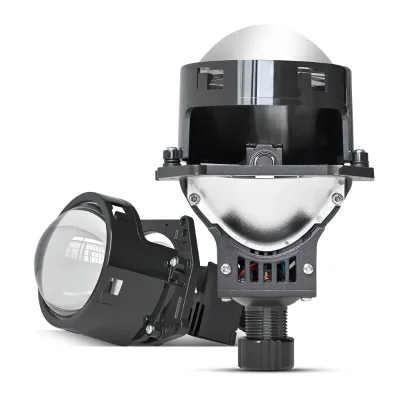
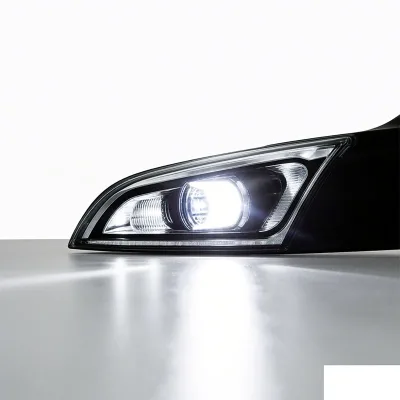
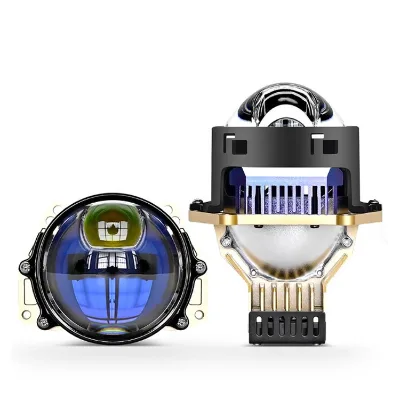


Comprehensive Sourcing Guide
Strategic Sourcing Guide for LED Prism Projector Headlamps
Understanding the Technical Architecture of LED Projector Lenses
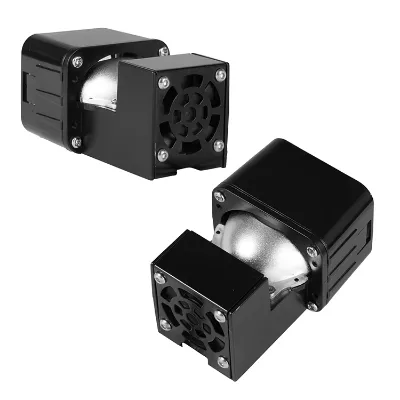
The core keyword "led prism projector headlamp" refers to a specific category of automotive lighting components designed for retrofitting and upgrading vehicle illumination systems. These units utilize a lens-based optical system, often described as a prism or projector lens, to focus the light emitted by the LED source into a precise beam pattern. Unlike reflector housings, which rely on the curvature of a metal bowl to direct light, projector lenses use a convex lens and a cutoff shield to create a sharp horizontal cutoff line. This design is critical for preventing glare to oncoming traffic while maximizing forward visibility.
Based on observed product attributes, these units are frequently marketed as "3 Inch LED Projector Lens Headlights" or simply "Headlight Lenses." The internal architecture typically integrates high-power LED chips with a dedicated driver to manage the electrical load. The observed power specifications indicate a range of wattages, with common configurations including 100W, 120W, 130W, and 140W per pair. The power distribution is often split between high and low beam functions; for instance, a 130W pair might be rated at 65W for high beam and 55W for low beam, while other models may vary to 60W/50W or 70W/60W configurations.
The optical output is measured in lumens, with observed values ranging from 4,500 lm to 9,900 lm. A specific model, identified by the code JC-83, lists a lumens output of 9,800 lm, whereas the JC-73 model is rated at 6,900 lm. The color temperature is another defining technical characteristic, with observed options including 5,800K and 6,500K, producing a "Cool White" or "White" light output. The input voltage is standardized at 12V, ensuring compatibility with standard automotive electrical systems. Buyers must verify that the specific model number, such as JC-82, JC-01, or AYS-10, aligns with the desired brightness and color temperature for their specific application.
Compliance and Certification Verification
When sourcing LED projector headlamps, verifying compliance with regional safety standards is paramount. The observed product data explicitly lists "E-mark" and "DOT" as certifications. These designations are not merely marketing terms but indicate adherence to specific regulatory frameworks. The E-mark certification is required for vehicles sold within the European Economic Area, ensuring the lighting component meets European safety and performance standards. The DOT (Department of Transportation) certification is the mandatory requirement for vehicles operating in the United States.
However, buyers must exercise caution when interpreting these certifications. The presence of a certification label on a product listing does not automatically guarantee that every unit in a batch is certified. Procurement teams should request valid certification documents or test reports from the supplier to confirm that the specific model number being purchased has undergone the necessary testing procedures. The "Universal" OE Number listed for these products suggests they are designed to fit a wide range of vehicle types, but this does not exempt them from local roadworthiness laws. In many jurisdictions, retrofitting headlights with aftermarket LED units requires the entire assembly to be certified, not just the bulb or lens component.
Buyers should also verify the "Product Standard" dimensions provided in the listing, such as 352530cm or 20158CM. These dimensions likely refer to the packaging or the physical footprint of the unit, which is crucial for ensuring the component fits within the vehicle's headlight housing. The "Waterproof" resistance attribute is a standard expectation for automotive lighting, but the specific IP rating (e.g., IP67 or IP68) should be confirmed in the technical data sheet to ensure durability against moisture and dust in harsh driving conditions.
Cost Drivers and Pricing Dynamics
The pricing for LED prism projector headlamps is influenced by several factors, including the optical quality of the lens, the power output of the LED chips, and the complexity of the driver circuitry. The observed price range for these products spans from $3.30 to $48.32 USD. This wide variance indicates a significant difference in product tiers, from basic entry-level units to high-performance, premium optical assemblies.
The lower end of the price spectrum, around $3.30, likely corresponds to units with lower wattage (e.g., 100W/Pair) and lower lumen output (e.g., 4,500 lm). These units may use standard LED chips and simpler packaging, such as generic boxes. In contrast, the higher price points, approaching $48.32, are associated with models boasting higher brightness (up to 9,900 lm), higher wattage (140W/Pair), and potentially more robust construction. The "Gift Box" and "OEM" packing options observed in the data suggest that premium packaging can also influence the final cost, particularly for buyers targeting retail markets or high-end aftermarket channels.
Minimum Order Quantity (MOQ) is another critical cost driver. The observed MOQ range is between 1 and 300 units. A single-unit MOQ allows for sample testing and small-scale procurement, which is essential for verifying quality before committing to larger orders. However, larger MOQs, such as 300 units, often unlock significant volume discounts, reducing the per-unit cost. Buyers should analyze their projected demand to determine the optimal order size. Additionally, the "Customization" attribute indicates that suppliers may offer tailored solutions, such as specific branding or modified optical specifications, which can incur additional setup costs and affect the overall pricing structure.
Typical Applications and Vehicle Compatibility
LED prism projector headlamps are primarily designed for "Retrofit/Upgrade" purposes, allowing vehicle owners to enhance the lighting performance of older vehicles that originally came with halogen or xenon systems. The observed list of suitable car brands is extensive, covering major global manufacturers such as Volkswagen, BMW, Mercedes-Benz, Audi, Toyota, Honda, Ford, and Chevrolet, as well as brands like WuLing, Chery, and Geely. This broad compatibility is facilitated by the "Universal Fitment" attribute, which suggests that these lenses are designed to be adaptable to various headlight housing sizes and mounting configurations.
The "3 Inch" specification is a common form factor for these lenses, making them suitable for a wide array of vehicle types, from compact sedans to larger SUVs. The "Front Position Lamp" function indicates that some models may also serve as daytime running lights (DRLs) or parking lights, adding versatility to the installation. The "New" condition of the products ensures that buyers receive fresh inventory with full functionality, as opposed to refurbished units.
When selecting a model for a specific vehicle, buyers must consider the physical dimensions of the headlight housing. The "Standard" dimensions provided, such as 352530cm, refer to the packaging size, but the actual lens diameter and mounting depth must match the vehicle's requirements. The "Model Number" serves as a unique identifier for these compatibility factors. For example, the JC-83 and JC-82 models may have slightly different optical properties or mounting brackets compared to the JC-73 or AYS-10 models. Buyers should cross-reference the model number with the vehicle's headlight housing specifications to ensure a proper fit.
Supplier Evaluation and Origin Analysis
Evaluating suppliers for LED projector headlamps requires a focus on their manufacturing capabilities and geographic origins. The observed product data lists origins in Jiangsu, Guangdong, and Henan, China. These regions are known for their robust manufacturing ecosystems, particularly in the electronics and automotive parts sectors. Jiangsu and Guangdong are major hubs for LED technology and precision manufacturing, while Henan is also a significant producer of automotive components.
Suppliers from these regions often offer competitive pricing due to established supply chains and economies of scale. However, the "Brand Name" observed in the data, such as "Star," indicates that some suppliers may operate under their own brand, while others may provide OEM services for other companies. Buyers should verify the supplier's reputation and track record in the automotive lighting industry. The "Customization" availability suggests that suppliers are willing to work with buyers to develop custom solutions, which is a positive indicator of flexibility and technical capability.
When evaluating a supplier, buyers should request samples to test the actual product quality. The "Single Gross Weight" of 1.800kg for a single item provides insight into the build quality and material density. Heavier units may indicate the use of higher-quality materials, such as aluminum heat sinks, which are essential for dissipating heat and maintaining LED performance. The "Selling Units" attribute, listed as "Single Item Single Package," suggests that the supplier is prepared to handle individual orders, which is beneficial for buyers who do not require bulk packaging.
Quality Control and Long-Term Procurement Considerations
Ensuring consistent quality in LED projector headlamps is critical for maintaining customer satisfaction and minimizing returns. The "Resistance: Waterproof" attribute is a key quality indicator, but buyers should verify the specific IP rating to ensure the unit can withstand exposure to water and dust. The "Condition: New" status should be confirmed upon delivery to ensure that the products have not been previously used or damaged.
Long-term procurement considerations include the availability of spare parts and the consistency of the supply chain. The "Universal" OE Number suggests that the products are designed to be compatible with a wide range of vehicles, but buyers should ensure that the supplier can maintain consistent inventory levels to meet ongoing demand. The "Lead Time" and "MOQ" values should be negotiated based on the buyer's specific needs, with larger orders potentially securing better pricing and faster delivery.
Buyers should also consider the "Color Temperature" consistency across batches. Variations in color temperature, such as the observed 5,800K and 6,500K options, can affect the aesthetic and functional performance of the lighting system. Ensuring that all units in a batch meet the specified color temperature is essential for maintaining a professional appearance. Finally, the "Certification" status should be re-verified for each shipment to ensure that the products continue to meet the required regulatory standards, especially if the buyer is operating in a market with strict safety regulations.
Summary of Key Specifications and Models
To facilitate a clear comparison of the available options, the following table summarizes the key technical specifications observed in the product data. This table highlights the variations in power, lumens, and model numbers that buyers should consider when making a selection.
| Model Number | Wattage (Pair) | High Beam Power | Low Beam Power | Lumens Output | Color Temperature | Origin |
|---|---|---|---|---|---|---|
| JC-83 | 130W | 65W | 55W | 9,800 lm | 5,800K | Jiangsu, China |
| JC-73 | 120W | 60W | 50W | 6,900 lm | 5,800K | Jiangsu, China |
| AYS-10 | 140W | 70W | 60W | 6,000 lm | 5,800K | Jiangsu, China |
| JC-82 | 100W | 50W | 45W | 9,900 lm | 5,800K | Jiangsu, China |
| JC-01 | N/A | N/A | N/A | N/A | N/A | N/A |
| Projector | N/A | N/A | N/A | 4,500 Lm | 6,500K | Guangdong, China |
| 3.0 Inch Projector | 100W | N/A | N/A | 10,000 lm | 6,500K | Henan, China |
This summary provides a snapshot of the diverse options available in the market. Buyers should use this data as a starting point for further research, ensuring that the selected model meets their specific technical and regulatory requirements. By carefully evaluating the specifications, certifications, and supplier capabilities, buyers can make informed decisions that align with their procurement goals and quality standards.
FAQs
What certifications do these LED projector lenses have?
These LED projector lenses carry E-mark and DOT certifications. These designations indicate adherence to European and US safety standards respectively, though buyers should verify specific test reports for each model batch.
Which power configurations are available for these units?
Available power configurations include 100W, 120W, 130W, and 140W per pair. Specific models split this power between high and low beams, such as 65W high and 55W low for the 130W variant.
Can these lenses fit multiple car brands?
Yes, these lenses feature universal fitment suitable for many brands including Volkswagen, BMW, Mercedes-Benz, and Toyota. The design supports retrofit and upgrade purposes across various vehicle types.
How bright are the different LED projector models?
Lumen output ranges from 4,500 lm to 9,900 lm depending on the model. For instance, the JC-83 model offers 9,800 lm while the JC-73 model provides 6,900 lm of brightness.
What is the typical price range for these headlamps?
The observed price range spans from 3.30 to 48.32 USD. Lower prices typically correspond to basic units with lower wattage, while higher prices reflect premium optical assemblies with greater brightness.
Where are these LED headlamps manufactured?
Products originate from Jiangsu, Guangdong, and Henan in China. These regions are established hubs for LED technology and automotive component manufacturing, offering competitive pricing and supply chain stability.